 Descubre Ronda
Cueva de la Pileta (Pileta Cave): history, facts and how to visit
Cave paintings declared a National Monument in 1924.
History and what to see
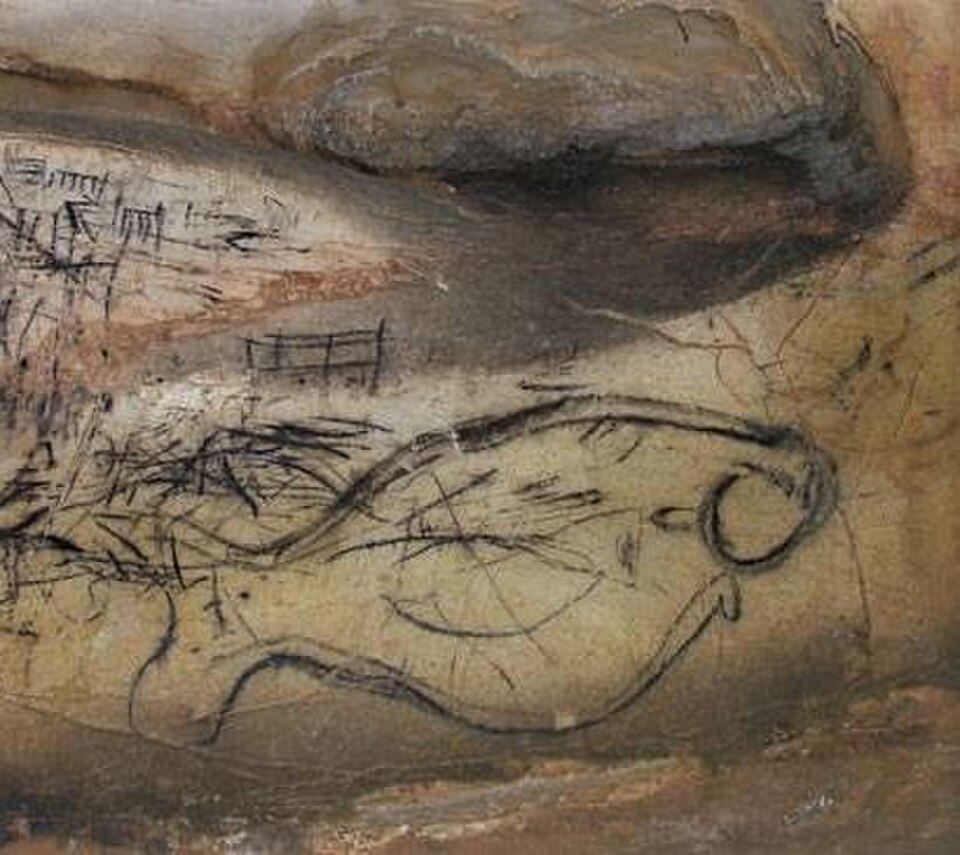
Located in the neighbouring village of Benaoján, this cave was discovered in 1905 and declared a National Monument just twenty years later. It preserves an important set of cave paintings depicting goats, horses, deer and other animals, including two standout figures known as "the pregnant mare" and "the fish". Remains found inside the cave point to human occupation dating back to the Palaeolithic, by hunter-gatherer groups who used it seasonally.
Interesting facts
- It was discovered in 1905 and declared a National Monument just 20 years later.
- It preserves cave paintings of goats, horses, deer and other animals.
- Two of its best-known figures are known as "the pregnant mare" and "the fish".
- Remains show human occupation dating back to the Palaeolithic.
- It can only be visited with a guide, in small groups.
Getting there and accessibility
Getting there: In Benaoján, about 20 minutes by car from Ronda. Guided visits only.
Accessibility: Not accessible (requires good mobility)
Opening hours, prices and access conditions change over time: check the official sources for each place before you go.
Take Cueva de la Pileta (Pileta Cave) with you
Descubre Ronda is a free app with monuments, trails, festivals, where to eat and shop, and audio guide in 6 languages. No sign-up and no intrusive ads.
Get it on Google PlayUse it free in your browserWhat to see nearby
- Arab Baths
The best-preserved Arab baths in the whole Iberian Peninsula.
- Puente Nuevo (New Bridge)
Ronda's iconic landmark: 98 metres above the Tajo gorge.
See also the full list of what to see in Ronda and a walking route through Ronda in one day.